
When considering hair restoration, understanding the surgical expertise FUT Hair Transplant requires is crucial for achieving natural and long-lasting results. FUT Hair Transplant in Dubai has become a sought-after procedure for individuals experiencing hair loss, thanks to its ability to provide dense graft placement and preserve donor area integrity. Clinics like Dynamic Clinic in Dubai specialize in combining advanced surgical techniques with precision planning to ensure optimal hair restoration outcomes.
Understanding FUT Hair Transplant
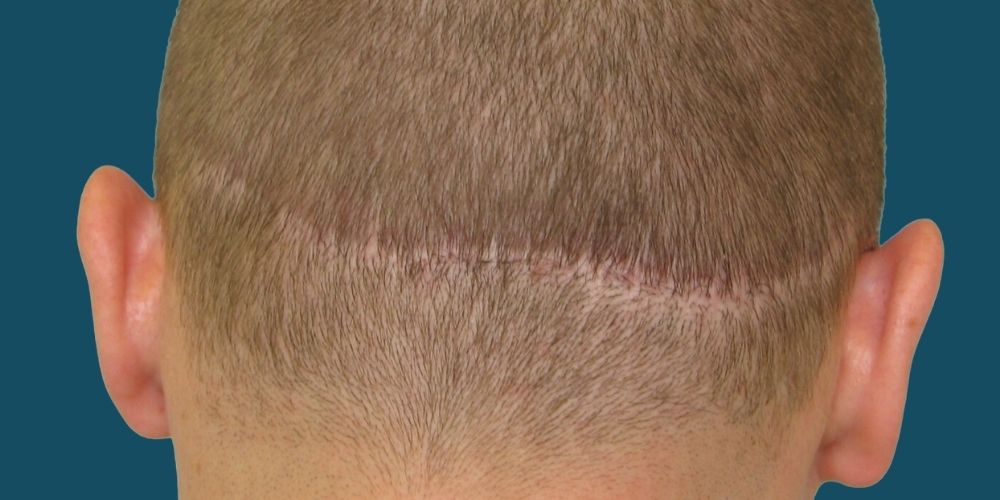
Follicular Unit Transplantation (FUT) is a surgical method that involves removing a thin strip of scalp from the donor area, usually at the back of the head, and dissecting it into individual follicular units for implantation. Unlike FUE (Follicular Unit Extraction), FUT allows for the transplantation of a larger number of grafts in a single session, making it ideal for extensive hair loss cases. The procedure demands meticulous attention to surgical detail and knowledge of scalp anatomy to minimize scarring and enhance graft survival.
Key Surgical Skills Required
Performing a successful FUT procedure requires a combination of technical precision, artistic judgment, and clinical knowledge. Key skills include:
- Microsurgical precision: Surgeons must dissect follicular units under magnification to prevent damage to grafts.
- Scalp anatomy expertise: Understanding the vascular network and hair growth patterns is essential to avoid complications.
- Incision planning: Correctly determining the angle, depth, and direction of recipient site incisions ensures a natural hairline.
- Tissue handling: Gentle handling of the donor strip and grafts prevents trauma and improves graft survival.
- Aesthetic assessment: Evaluating facial symmetry and hairline design requires artistic judgment to achieve natural-looking results.
Preoperative Evaluation and Planning
A critical part of FUT Hair Transplant is preoperative planning, which guides surgical strategy and improves patient outcomes. Surgeons must assess:
- Donor hair density and quality
- Scalp laxity to determine the safe width of the donor strip
- Degree and pattern of hair loss
- Patient expectations and aesthetic goals
Proper evaluation allows for precise graft estimation and reduces the risk of overharvesting the donor area, which is essential for maintaining scalp integrity over time.
Surgical Procedure: Step-by-Step Expertise
Executing FUT requires a structured approach and adherence to sterile surgical protocols. The main stages include:
- Donor Strip Harvesting: Careful removal of a scalp strip while preserving surrounding tissue.
- Microscopic Dissection: Separating the strip into individual follicular units with minimal damage.
- Recipient Site Creation: Making tiny slits in the bald or thinning area with precise angles and spacing.
- Graft Placement: Implanting each follicular unit without undue pressure, ensuring proper orientation and density.
- Postoperative Care: Advising on wound care, infection prevention, and activity restrictions to promote healing.
Each step relies on the surgeon’s skill to balance efficiency with meticulous attention to detail, which directly affects the success of hair growth.
Importance of Experience and Team Coordination
FUT Hair Transplant is not a one-person operation; it requires a coordinated team effort. Experienced assistants play a vital role in:
- Assisting with strip dissection
- Preparing grafts for implantation
- Managing surgical instruments and maintaining a sterile environment
The surgeon’s experience guides the team and ensures smooth workflow, reducing procedure time and enhancing graft survival. Years of performing FUT procedures allow surgeons to anticipate challenges and adapt techniques for optimal results.
Common Challenges in FUT Surgery
Even for skilled surgeons, FUT presents challenges that require advanced expertise:
- Ensuring minimal donor area scarring
- Avoiding transection of hair follicles during dissection
- Creating a hairline that looks natural and age-appropriate
- Maintaining proper graft density for uniform coverage
- Managing patient expectations realistically
Surgeons must combine scientific knowledge with practical problem-solving to navigate these complexities successfully.
Advantages of Surgical Expertise in FUT
High surgical expertise translates directly into patient benefits:
- Natural hairline appearance through precise angle and density control
- Maximized graft survival thanks to careful handling and placement
- Reduced healing time and minimized visible scarring
- Ability to address extensive hair loss with larger graft numbers
- Customizable aesthetic outcomes tailored to individual patient needs
These advantages emphasize why selecting a clinic with experienced FUT specialists is critical for long-term satisfaction.
Postoperative Management and Follow-Up
Expertise extends beyond the operating room into the recovery phase. Skilled surgeons provide:
- Detailed care instructions for the donor and recipient areas
- Monitoring for signs of infection or graft failure
- Timely interventions to optimize hair growth results
Proper follow-up ensures that patients achieve predictable and consistent outcomes, reinforcing the importance of surgical proficiency.
Conclusion
FUT Hair Transplant requires a high level of surgical expertise, combining technical precision, aesthetic judgment, and team coordination. Understanding the complex steps involved—from donor strip harvesting to graft placement and post-op care—highlights why experience is essential for achieving natural, dense, and lasting results. In Dubai, clinics specializing in FUT hair restoration prioritize skill, safety, and patient-centered planning, ensuring that each transplant meets the highest standards of quality and effectiveness.