
Rhinoplasty treatment is often associated with cosmetic enhancements, but many individuals in Dubai seek it for functional reasons, particularly to improve breathing issues. Rhinoplasty Dubai has emerged as a trusted solution for people facing chronic nasal obstruction, deviated septum, or other structural challenges. At Dynamic Clinic in Dubai, specialists assess both aesthetic and functional needs to ensure patients experience improved airflow and overall nasal function.
Understanding Breathing Difficulties and Nasal Structure
Breathing difficulties can arise from several anatomical and medical conditions. Common structural issues include:
- Deviated septum: A crooked septum can block airflow in one or both nostrils.
- Enlarged turbinates: Overgrowth of nasal tissue can restrict airflow and lead to congestion.
- Nasal valve collapse: Weak cartilage may cause the nasal passages to collapse during inhalation.
- Congenital deformities: Birth defects or trauma can contribute to impaired nasal function.
Functional rhinoplasty aims to correct these structural problems while maintaining or enhancing the appearance of the nose.
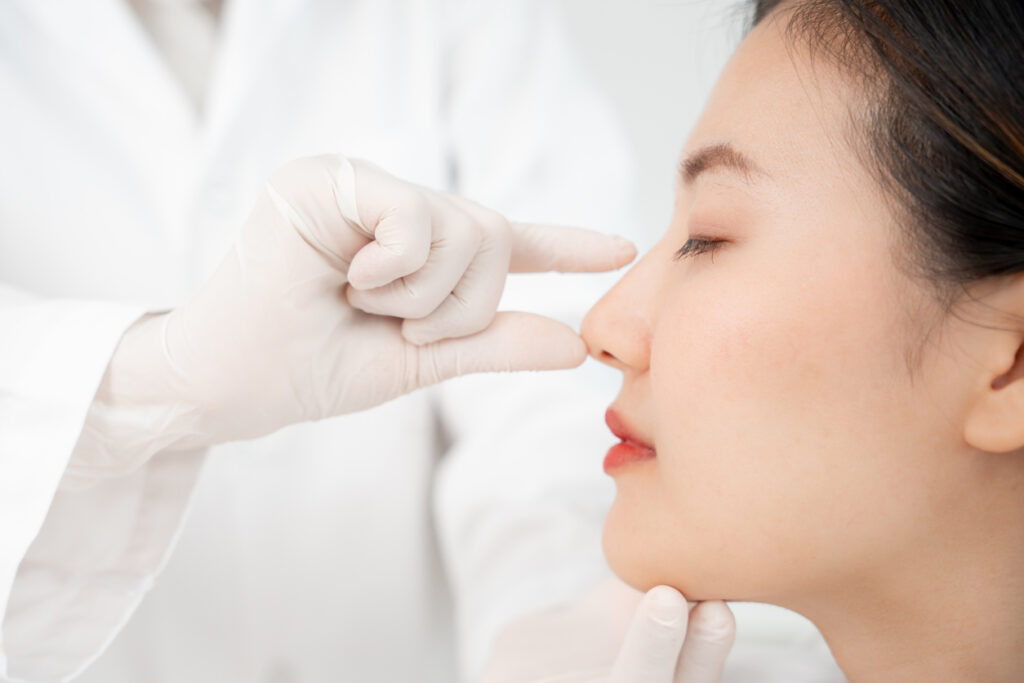
How Rhinoplasty Improves Breathing
Rhinoplasty for breathing difficulties focuses on reconstructive techniques rather than purely cosmetic changes. Patients benefit from:
- Septoplasty: Straightening the septum to improve airflow.
- Turbinate reduction: Shrinking enlarged turbinates to clear the nasal passages.
- Alar support: Strengthening the sides of the nose to prevent collapse during inhalation.
- Customized nasal reshaping: Combining aesthetic adjustments with functional corrections for optimal results.
These procedures are often tailored based on a patient’s unique anatomy and breathing challenges.
Signs That Rhinoplasty May Be Suitable
Not every breathing difficulty requires surgical intervention, but rhinoplasty can be considered if you experience:
- Persistent nasal congestion despite medication
- Difficulty breathing through one or both nostrils
- Frequent sinus infections due to poor airflow
- Snoring or sleep apnea linked to nasal obstruction
- Previous nasal injuries that caused structural changes
A professional consultation is essential to evaluate whether rhinoplasty is the right approach for your specific condition.
Pre-Operative Assessment
Before undergoing rhinoplasty for breathing improvement, a thorough assessment is performed to identify underlying causes:
- Medical history review: Understanding previous nasal trauma, surgeries, or chronic conditions.
- Physical examination: Evaluating the nasal structure, septum, and turbinates.
- Imaging tests: CT scans or X-rays to detect internal structural issues.
- Breathing tests: Assessing airflow and nasal resistance to tailor the procedure.
A detailed assessment ensures that the surgery addresses the root cause of breathing difficulties effectively.
Recovery and Post-Operative Care
Recovery from functional rhinoplasty involves a structured process to ensure long-term breathing improvement:
- Initial swelling and bruising: Typically subsides within 1–2 weeks.
- Nasal splints and dressings: Used to maintain structure and protect delicate tissues.
- Follow-up appointments: Essential to monitor healing and airflow improvement.
- Activity restrictions: Avoiding strenuous activities or contact sports for several weeks.
- Long-term care: Saline rinses and gentle cleaning to prevent congestion and infection.
Proper post-operative care is crucial to ensure the nose heals correctly and breathing benefits are maximized.
Risks and Considerations
While rhinoplasty can significantly improve breathing, patients should be aware of potential risks:
- Infection or bleeding
- Temporary numbness or altered sensation
- Swelling that may last several months
- Unsatisfactory results requiring minor revisions
Choosing a reputable clinic and experienced surgeon in Dubai reduces the likelihood of complications and ensures safer, more predictable outcomes.
Alternatives to Surgical Rhinoplasty
For individuals not ready for surgery, there are non-surgical approaches to improve nasal airflow:
- Nasal dilators: External or internal devices to widen nasal passages temporarily.
- Allergy management: Reducing inflammation from allergic reactions to improve breathing.
- Medication: Decongestants or nasal corticosteroids for temporary relief.
- Breathing exercises: Techniques that enhance airflow and support respiratory function.
These methods may provide short-term relief but often do not address structural issues effectively.
Conclusion
Rhinoplasty treatment can be highly effective for individuals experiencing breathing difficulties due to structural nasal issues. Rhinoplasty Dubai offers solutions that not only improve appearance but also enhance nasal function, contributing to better overall health. By addressing conditions like deviated septum, nasal valve collapse, and enlarged turbinates, patients can experience significant improvements in airflow and quality of life. Consulting with a qualified clinic ensures that both functional and aesthetic goals are achieved, providing long-lasting benefits for breathing and comfort.