
Climate change is reshaping how dermatological conditions are understood, managed, and prevented, especially in regions with extreme weather patterns, and the topic “How Does Climate Change Influence Skin Diseases Treatment?” is becoming increasingly relevant for residents and healthcare planners in the UAE. Skin Diseases Treatment in Dubai is now being approached with greater awareness of environmental triggers, lifestyle shifts, and prolonged exposure to heat, humidity, and air pollution, with clinics such as Dynamic Life Clinic acknowledging this evolving context in patient education and care strategies
Understanding the Climate–Skin Connection
Rising global temperatures, fluctuating humidity levels, and increased air pollution directly influence skin health by weakening the skin barrier and altering immune responses. In hot climates, prolonged sweating and dehydration can aggravate inflammatory skin conditions, while sudden weather changes may disrupt the skin’s natural balance. These environmental shifts make treatment outcomes more dependent on timing, consistency, and preventive care rather than reactive solutions
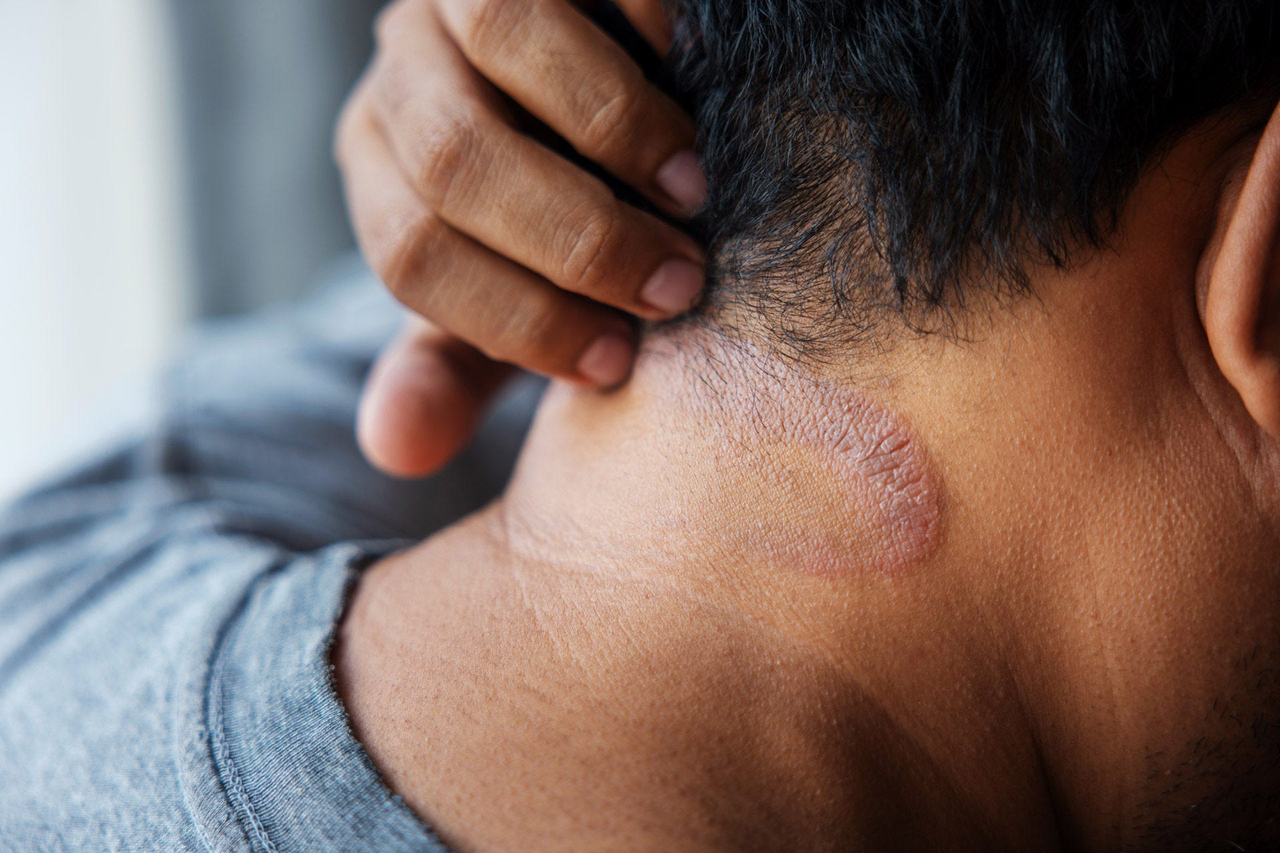
Heat, Humidity, and Treatment Response
Dubai’s climate is characterized by intense heat and high humidity for most of the year, which affects how skin conditions behave and respond to treatment. Excessive moisture on the skin can promote irritation and flare-ups, while heat can increase sensitivity and redness. Skin Diseases Treatment in Dubai increasingly considers climate-adaptive routines that focus on maintaining skin resilience rather than only addressing visible symptoms
Air Pollution and Skin Sensitivity
Urban growth and increased pollution contribute to higher levels of airborne particles that settle on the skin, leading to oxidative stress and inflammation. These pollutants can interfere with the skin’s repair mechanisms, making treatments less effective if environmental exposure is not addressed. Climate-aware treatment plans now emphasize protective measures that reduce daily exposure to irritants without altering the core therapeutic approach
Changing Patterns of Skin Conditions
Climate change is not only intensifying existing skin issues but also changing their seasonal patterns. Conditions once limited to certain months may now persist year-round due to prolonged heat waves and irregular weather cycles. This shift requires Skin Diseases Treatment in Dubai to be more flexible and proactive, with continuous monitoring and adjustment rather than seasonal intervention
Impact on Lifestyle and Daily Skin Care
Environmental stressors linked to climate change influence daily habits such as outdoor activity, hydration, and clothing choices, all of which affect skin health. Treatment approaches now integrate lifestyle guidance that aligns with local climate realities, helping individuals manage triggers that could undermine long-term results. This holistic perspective supports treatment consistency in a demanding environment
Preventive Strategies in a Warming Climate
As climate conditions become more extreme, prevention plays a larger role in dermatological care. Effective strategies include
• Strengthening the skin barrier to withstand heat and pollution
• Encouraging routines that adapt to seasonal humidity changes
• Reducing environmental exposure that can trigger flare-ups
These preventive elements are now an integral part of Skin Diseases Treatment in Dubai, reflecting a shift from reactive to climate-informed care
EEAT and Trust in Climate-Aware Skin Care
Experience, expertise, authoritativeness, and trustworthiness are essential when discussing climate-related health concerns. Reliable information helps individuals understand why treatments may evolve and how environmental awareness improves outcomes. Climate-conscious dermatological guidance builds trust by addressing real-world conditions rather than offering generic advice
The Role of Local Awareness
Localized climate knowledge is crucial for effective skin care in Dubai. Understanding how regional weather patterns influence skin behavior allows treatment plans to remain relevant and practical. This localized approach ensures that care strategies align with daily environmental exposure, supporting sustainable skin health management
Conclusion
Climate change is redefining how skin conditions are treated by influencing environmental exposure, lifestyle habits, and treatment responsiveness. In a city like Dubai, where climate factors are intense and persistent, Skin Diseases Treatment in Dubai continues to evolve through preventive care, localized awareness, and climate-adaptive strategies that prioritize long-term skin resilience over short-term fixes