
How does ultrasound cavitation interact with body tissue is a common question among people exploring modern, non-invasive body contouring solutions, especially those researching Ultrasound Cavitation in Dubai where aesthetic technology is widely adopted. In clinical wellness environments such as Dynamic Life Clinic, ultrasound cavitation is positioned as a science-backed technique that works with the body’s natural processes rather than against them, making understanding its biological interaction essential for informed decision-making.
Understanding the Science Behind Ultrasound Cavitation
Ultrasound cavitation is a technology that uses low-frequency ultrasound waves to target localized fat deposits beneath the skin. These sound waves travel through the skin surface without damaging it and focus on adipose tissue due to its lower density compared to surrounding structures. When ultrasound energy reaches fat cells, it creates controlled pressure changes in the tissue fluid, leading to the formation of microbubbles. These microbubbles expand and collapse rapidly, a process known as cavitation, which places mechanical stress on fat cell membranes.
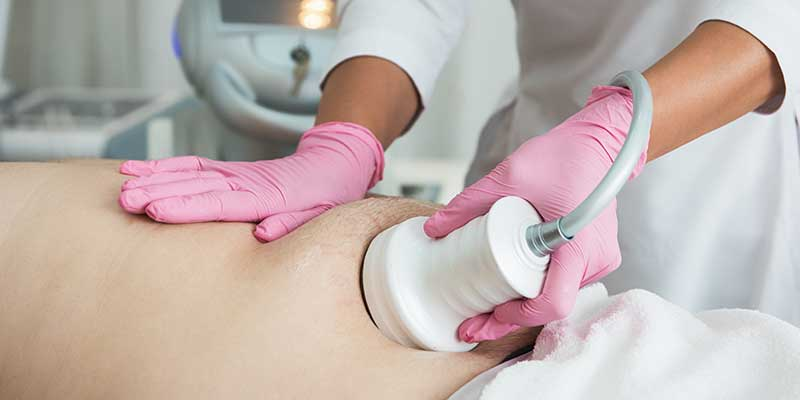
Interaction With Fat Cells at a Cellular Level
The primary interaction occurs at the adipocyte level, where repeated cavitation pressure weakens the structural integrity of fat cell walls. Unlike thermal-based technologies, ultrasound cavitation relies on mechanical vibration rather than heat. This distinction is important because it allows selective targeting of fat cells without affecting blood vessels, nerves, or connective tissue. Once the fat cell membrane is disrupted, its contents are released into the interstitial space in the form of fatty acids and glycerol.
Role of the Lymphatic and Metabolic Systems
After fat cell contents are released, the body’s natural systems take over. The lymphatic system plays a key role in transporting these byproducts away from the treated area. From there, they are processed by the liver and metabolized like dietary fats. This biological pathway explains why ultrasound cavitation is considered a body contouring method rather than a weight-loss solution. The interaction is gradual and depends on normal metabolic function rather than forced extraction or tissue removal.
Effect on Surrounding Tissues
One of the defining characteristics of ultrasound cavitation is its selective interaction with fat tissue. Muscle fibers, skin layers, and vascular structures are largely unaffected because they respond differently to ultrasound frequencies. Collagen-rich tissues have higher tensile strength and do not undergo the same cavitation response. This selective mechanism supports the safety profile often associated with ultrasound cavitation when used in controlled, professional settings and aligns with its growing popularity in non-invasive aesthetic care.
Skin Response and Tissue Integrity
While the primary target is fat tissue, the skin may experience secondary benefits. The mechanical stimulation caused by ultrasound waves can encourage microcirculation in the treated area. Improved blood flow supports oxygen and nutrient delivery to skin cells, which may contribute to a firmer appearance over time. Importantly, ultrasound cavitation does not break the skin barrier, meaning there is no open wound or disruption to surface tissue integrity.
Treatment Depth and Precision
Ultrasound cavitation devices are designed to operate at specific depths where subcutaneous fat resides. This precision allows practitioners to focus on problem areas without affecting deeper organs or superficial skin layers. The ability to control frequency and intensity ensures that the interaction remains confined to targeted tissue zones. This controlled approach is a key reason why Ultrasound Cavitation in Dubai is often discussed within medically supervised or wellness-oriented treatment plans.
Biological Factors Influencing Results
The way ultrasound cavitation interacts with body tissue can vary depending on individual biological factors. These include fat density, hydration levels, lymphatic efficiency, and overall metabolic health. Because the process relies on the body’s natural elimination pathways, outcomes are influenced by lifestyle habits that support circulation and metabolism. This reinforces the importance of patient education and realistic expectations when considering ultrasound-based body contouring.
Why Medical Oversight Matters
Although ultrasound cavitation is non-invasive, its interaction with body tissue is still a physiological process that benefits from professional oversight. Proper assessment ensures that energy levels are appropriate for the individual’s tissue composition and goals. This approach supports both safety and effectiveness, aligning with EEAT principles by emphasizing evidence-based practice, transparency, and user trust rather than exaggerated claims.
Conclusion
Ultrasound cavitation interacts with body tissue through a precise mechanical process that selectively targets fat cells while preserving surrounding structures. By working in harmony with the lymphatic and metabolic systems, it offers a non-invasive approach to body contouring that prioritizes tissue integrity and biological balance, making it a widely discussed option within advanced aesthetic care environments.